
In a world where the Wi-Fi signal feels as essential as running water, something interesting is happening: more travelers are deliberately choosing places where their phones can’t get a single bar of service. No roaming, no inbox, no “just checking.” Just silence - digital, mental, and emotional. It’s a shift that says a lot about where we are right now.
Modern life runs on constant connection. We multitask through breakfast, reply to messages at red lights, and somehow find ourselves “catching up” on work at 10 p.m. The pace is relentless, and our brains keep the score. So it’s no surprise that the idea of going somewhere uncontactable is starting to feel less like a novelty and more like a necessity.


Off-grid travel has quietly evolved from a niche trend into a full-blown movement. Boutique cabins advertise “no Wi-Fi” as a benefit, not a flaw. Adventure lodges describe their remoteness with pride. Even mainstream hotels are leaning into the promise of intentional digital silence. Disconnecting isn’t just allowed anymore, it’s curated.
But beneath the aesthetics (the wooden cabins, the remote beaches, the starlit nights) lies something deeper. People aren’t just escaping technology. They’re searching for breathing room. They’re craving a reset. And increasingly, they’re finding it in places where the only thing your phone can do is become a camera.
What’s Driving the Off-Grid Travel Trend?
The Burnout Backlash
For years, we’ve accepted digital overload as the cost of modern life. The endless pings, urgent-but-not-really messages, the pressure to be reachable at all times. It all adds up, and many people are hitting a wall. Chronic stress, sleep disruption, and attention fatigue have become so common that we hardly question them anymore.
Signal-free vacations are emerging as a counterweight. They create space where your nervous system can finally stop bracing for the next alert. When travelers describe their first off-grid day, they often talk about a “mental exhale”, a sense of finally getting out from under the noise. It’s rest in its purest form.
The Luxury of Being Unreachable
Once upon a time, luxury travel meant high-speed internet, USB chargers, and seamless connectivity. Now, the pendulum has swung. The real status symbol? Being impossible to contact. There’s something quietly powerful about telling your colleagues, “I won’t have service for a few days.”
It’s not pretentious, it’s protective. When your time, attention, and energy are constantly claimed by others, the ability to step away becomes a rare privilege. Off-grid destinations have tapped into that truth, creating a kind of premium escape that’s not defined by gold fittings or champagne… it’s defined by freedom.
Nature as a Reset Button
The more our lives lean digital, the more we crave something earthy and grounding to balance it out. Nature fills that gap perfectly. Whether it’s a mountain, a lake, a rainforest, or a desert, these environments allow our bodies to slow down and recalibrate.
Out in the open, time moves differently. Without Wi-Fi dictating your day, you fall into natural rhythms - sunrise, sunset, mealtimes, conversations, quiet moments. Research consistently shows that immersion in nature lowers stress, improves mood, and boosts overall well-being. It’s no wonder remote destinations are thriving: they offer something most of us are starved for, presence, simplicity, and peace.
Together, these drivers create the perfect conditions for off-grid travel to flourish. People aren’t just leaving the Wi-Fi behind, they’re reclaiming parts of themselves that got lost in the scroll.
The Psychology of Disconnection
Cognitive Overload Relief
Most of us underestimate how much mental space constant connectivity consumes. Every notification (even the harmless ones) creates a micro-interruption that pulls our brain into a state of readiness. Multiply that by hundreds of pings, alerts, and updates a day, and it’s no wonder mental fatigue feels like a baseline state.
Going off-grid removes that constant cognitive drag. Without the steady hum of incoming information, your brain shifts out of reaction mode and into restoration mode. Thoughts feel less crowded. Decisions feel easier. You’re no longer juggling digital noise, you’re actually thinking at your natural pace again.
Mood, Stress, and the Nervous System
There’s also a physiological shift that happens when you disconnect. Constant digital input keeps the nervous system slightly elevated—as if you’re always waiting for something to respond to. When that signal cascade stops, your stress hormones finally get a chance to settle.
People often describe their first 24–48 hours offline as a kind of withdrawal, followed quickly by a deeper calm. Without external demands tugging at your attention, your body cues rest more easily. Breathing deepens. Muscles unclench. Sleep improves. You’re not just mentally quieter, you’re physically calmer.

Reclaiming Attention
Perhaps the most overlooked benefit of going off-grid is the return of your own attention. When you remove the apps, messages, and constant stimulation, your inner world suddenly becomes louder… in a good way. You start noticing small details again: the sound of birds, the way light hits the trees, how food actually tastes when you’re not eating in front of a screen.
This reorientation back to sensory reality can feel grounding, sometimes even emotional. For many travelers, it’s the real “aha” moment of a signal-free trip. They realize how rarely they experience anything without multitasking or distraction. Off-grid travel gives that sense of presence back.
Ultimately, the psychology of disconnection isn’t about deprivation. It’s about spaciousness, allowing your mind to breathe, your body to reset, and your attention to re-anchor itself in the moment instead of the feed.
What “Signal-Free” Actually Looks Like
The New Off-Grid Landscape
Off-grid travel isn’t limited to rustic huts or survivalist-style retreats anymore. Today’s signal-free destinations span a whole spectrum, from minimalist wilderness cabins tucked deep into forests to remote island bungalows, desert lodges miles from the nearest road, and lakehouse sanctuaries accessible only by boat. Some places sit far from cell towers by design; others are intentionally built in “dead zones” where Wi-Fi isn’t an option, even if you wanted it.
These environments are chosen not for isolation alone, but for the feeling they produce -quiet, uninterrupted, unhurried. The absence of connectivity is part of the experience, not an inconvenience to work around.
Minimal Tech, Maximum Experience
What surprises many first-time off-grid travelers is how quickly they adjust to simpler routines. Without screens dictating the day, activities shift: slow breakfasts, long walks, reading actual books, journaling, cooking, napping, and reconnecting with nature in a way that feels instinctive.
There’s also less pressure to “perform” your trip online. Without the temptation to upload stories or respond to messages, the focus shifts inward. You start doing things because you want to, not because they’ll look good in your feed. That freedom opens up space for deeper rest and genuine enjoyment.
The Rise of Digital-Detox Resorts
A growing number of hotels now advertise something once considered a drawback: no Wi-Fi. Some take it further by offering lockboxes for devices at check-in, or creating communal spaces specifically designed for reading, meditation, and quiet conversation. These aren’t punishment zones—they’re thoughtfully curated environments meant to help guests step out of digital autopilot.
Luxury eco-lodges in places like Iceland, New Zealand, and the American West have embraced the trend. Instead of broadband, they offer panoramic views, hot springs, guided hikes, stargazing decks, and uninterrupted silence.
In these spaces, disconnection becomes a feature, not a limitation. The promise isn’t that you’ll do more, but that you’ll finally get the chance to do less. And in a lifestyle packed with deadlines, demands, and digital noise, that’s a powerful invitation.
Who’s Choosing These Vacations?
Stressed Professionals
The biggest adopters of off-grid travel are people who spend their days tethered to screens. High performers (like managers, founders, creatives or executives) often carry the mental load of constant decision-making, tight deadlines, and nonstop communication. For them, going somewhere without signal isn’t a quirky travel choice; it’s one of the few remaining ways to fully switch off.

When your work follows you everywhere, disconnecting becomes an act of self-preservation. These travelers look for places where they physically can’t check email, because removing the option is the only way to create true separation. The result? They return recharged in ways that traditional vacations rarely provide.
Creative Minds
Artists, writers, and entrepreneurs also gravitate toward off-grid trips, but for different reasons. Creativity loves open space, and being disconnected often gives ideas room to breathe. Without the internet siphoning attention, many people find themselves thinking more clearly and working more intuitively.
It’s why you see so many “writing cabins”, “artist retreats”, and “creative residencies” popping up in remote areas. Silence and slowness are becoming valued creative tools again, not luxuries reserved for sabbaticals.
Families & Couples
For couples and families, off-grid travel offers something many didn’t realize they needed: uninterrupted time together. When devices aren’t competing for attention, conversations last longer. Games come out. Meals become moments instead of rushed refueling. Kids settle into calmer rhythms. Parents decompress faster.
The digital pause pulls everyone into the same moment, stripping away the usual distractions that fragment group time. Many families report feeling more connected after just a few days offline, proof that sometimes the strongest Wi-Fi password for relationships is simply “No Service.”
Taken together, these groups reflect a broader truth: off-grid travel appeals to anyone feeling stretched thin, overwhelmed, or disconnected from themselves or the people they love. In a hyper-connected world, going offline has become a surprisingly universal desire.
Why Off-Grid Doesn’t Mean Uncomfortable
Luxury Without the Log-In
The phrase “off-grid” once conjured images of compost toilets, limited lighting, and DIY meals cooked on a camp stove. Today’s reality is very different. Many modern off-grid stays are intentionally designed to blend comfort with disconnection. Think Scandinavian-style cabins with panoramic windows, plush bedding, wood-fired hot tubs, outdoor showers, and beautifully crafted interiors that feel more boutique hotel than backcountry hideout.
Eco-lodges across the world have leaned into this shift. Instead of Wi-Fi, they offer sweeping mountain views. Instead of TVs, they give you private decks for stargazing. Instead of all-day entertainment, they invite you into stillness - guided by nature, not algorithms.
Simple Comforts With Big Impact
Part of the appeal is how uncomplicated these trips feel. Without the digital layer, you get to rediscover the joy of small comforts: slow mornings, cooking meals without rushing, moving through your day without notifications dictating the pace.
People often find they sleep better, eat more mindfully, and feel more grounded when the pressure to multitask disappears. It’s not luxury in the extravagant sense - it’s luxury in the human sense. Comfort that restores rather than overstimulates.
Designing for Quiet
Many off-grid properties are built around the principles of calm. Architecture that invites natural light, spaces that encourage rest, and layouts that guide you outdoors rather than back to gadgets. Fireplaces replace screens. Hammocks replace office chairs. Footpaths replace newsfeeds.
Some places even use sound design, positioning cabins to maximize natural quiet, or placing seating areas where wind, birds, or water become part of the experience.

It’s thoughtful, intentional hospitality: creating environments where you can actually hear yourself think.
So while these vacations may be free from Wi-Fi, they’re far from roughing it. They offer a different kind of comfort, one rooted in presence, peace, and a little bit of quiet luxury.
The Hidden Benefits You Don’t Expect
Better Sleep & a Circadian Reset
When you’re constantly connected, your sleep often takes the first hit—late-night scrolling, blue-light stimulation, or the mental buzz from information overload. Off-grid environments naturally encourage healthier rhythms. With fewer screens and more natural light, your body starts syncing to the rise and fall of the day.
Many travelers report deeper, more restorative sleep after just a couple of nights offline. Without the temptation to check messages or watch “one more thing,” evenings slow down. You unwind more fully. Bedtime becomes intentional instead of accidental.
Stronger Relationships
Whether you’re travelling with a partner, friends, or a family, going off-grid shifts the dynamic in a meaningful way. Without devices dividing attention, conversations open up. You’re more present. You actually look at each other instead of looking past each other toward a screen.
People often rediscover a sense of play - card games, shared cooking, exploring trails, stargazing. These small, analogue moments build a different kind of connection: less distracted, more deliberate, and far more memorable.
Rekindled Curiosity and Creativity
Digital silence does something else too: it wakes up your curiosity. When your brain isn’t processing dozens of inputs at once, it has space to wander, imagine, and notice what’s around you.
Off-grid trips often spark creative insights or problem-solving in ways that connected vacations rarely do. You may find yourself journaling, sketching, brainstorming ideas, or simply observing details you’d normally rush past. The mind stretches out when it finally gets the room.
These hidden benefits add a layer of depth to signal-free travel. You might go for the quiet, but you stay for the clarity, connection, and renewed sense of self that comes with it. In many ways, these intangible rewards are the most valuable part of the whole experience.
The Practical Side: How to Prepare for an Off-Grid Trip
Setting Expectations (for Yourself & Others)
A smooth off-grid trip starts long before you arrive. The first step is communicating clearly with your workplace, loved ones, and even yourself. Let people know you’ll be unreachable, set any necessary boundaries ahead of time, and hand over responsibilities that can’t wait.
It’s also worth managing your own expectations. The first 24 hours offline can feel strange, even slightly uncomfortable. That’s normal. Your mind is used to constant stimulation, and the sudden quiet can feel like stepping into cold water. Give yourself a moment to adjust. The calm always arrives.
Packing Smart
Even the most idyllic off-grid escape goes better with the right gear. Think practical, not overpacked.
- A portable power bank for your camera (not your inbox).
- A headlamp or flashlight for low-light evenings.
- Weather-appropriate layers, especially for cooler nights.
- A good book, journal, or analog activity.
- Reusable water bottles and snacks if the area is especially remote.
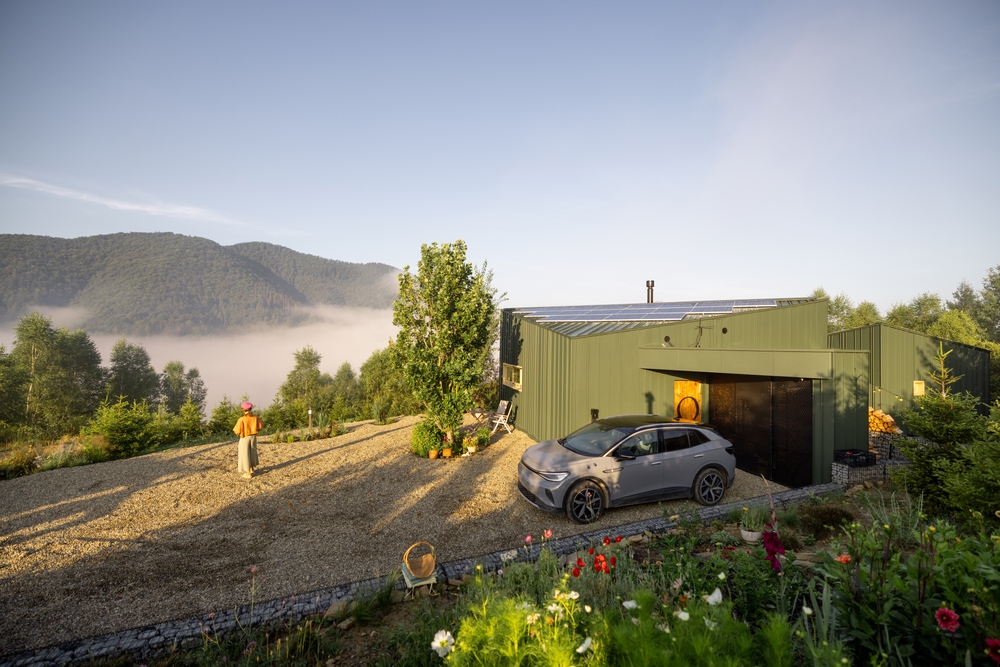
If you’re staying somewhere solar-powered, remember that electricity may be limited. Expect dimmer lighting, slower charging, and an invitation to embrace slower pace.
Choosing the Right Location
Not all off-grid trips are created equal. Some destinations offer soft disconnection (limited Wi-Fi in one corner of a lodge) while others provide a full digital blackout. The key is matching the experience to your comfort level.
If you’re new to going offline, consider a semi-remote cabin or eco-lodge that’s easy to access but far enough from cell towers to create real silence. If you’re craving a deeper reset, look for island stays, forest cabins, desert retreats, or mountain lodges advertised specifically as “no reception zones.”
Being intentional here matters. The right location won’t just take you off the grid—it will support the kind of reset you want, whether you’re seeking deep rest, creative expansion, or simply a break from the constant buzz.
Where Disconnection Takes You Next
In a world that asks us to stay plugged in, tuned in, and reachable around the clock, choosing a place where nothing can reach you feels almost radical. But that’s exactly why signal-free vacations are resonating so deeply. They offer the one thing most of us struggle to find in our day-to-day lives: uninterrupted space to breathe, think, and just be.
Going off-grid isn’t about abandoning technology or pretending the digital world doesn’t exist. It’s about stepping away long enough to remember who you are without it. It’s the chance to feel your nervous system settle, to notice the world beyond the screen, and to reconnect with yourself, with nature, with the people you love.
As more travellers discover the clarity that comes with disconnection, the definition of luxury is shifting. It is no longer just about comfort or convenience. It’s about time, presence and the freedom to live a few days without the weight of constant input.
A signal-free trip won’t solve everything, but it will give you something invaluable: a reset. And in a culture built on constant connection, that may be the most restorative journey of all.