
Most adults don’t realize how quietly play slips out of their lives. One day you’re building blanket forts, scribbling in notebooks, or dancing around without a second thought. Then suddenly, you’re someone with deadlines, dependents, financial goals, and a calendar that looks more like a logistics plan than a life. Somewhere along the way, fun became something you had to earn, and even then, it often sat at the bottom of the list.
But here’s the interesting shift: the more overwhelmed people feel, the more they’re turning back to something surprisingly simple: play. Not in a childish way, but as a form of self-care that helps them decompress, feel more connected, and recover a sense of joy that adulthood can dull. There’s growing recognition that play isn’t frivolous. It’s a wellness essential. It supports mental health, sparks creativity, and gives your brain the freedom it rarely gets in a world that expects constant focus and efficiency.


So what happens when you stop treating play as an afterthought and start treating it like a tool? One that can help you reset, think more clearly, and rediscover parts of yourself that got buried under responsibility. Because when adults make space for play, life changes in ways that genuinely matter.
The Psychology of Why Adults Forget to Play
The Cultural Conditioning That Pushes Play Out of Adulthood
Play doesn’t disappear because adults lose interest, it disappears because the world subtly teaches us it no longer “counts.” From school onwards, we’re praised for productivity, discipline, and measurable results. Curiosity is encouraged when you’re young, but as responsibilities grow, exploration starts to feel inefficient.
Adulthood becomes synonymous with seriousness, and play gets filed under “things children do.” It’s no wonder so many people stop giving themselves permission to enjoy something just for the sake of it. The pressure to perform (at work, at home, in relationships) swallows the space where spontaneity used to live.
Over time, you can even forget what play once looked like for you. It’s not a lack of desire; it’s conditioning.
Why Your Brain Still Needs Play – Even if Your Schedule Doesn’t
Even though life gets busier, the human brain never stops craving novelty, imagination, and lightness. Play activates systems linked to curiosity, creativity, and emotional regulation. It gives the mind a rare break from linear thinking and constant problem-solving.
When you engage in play (whether it’s a hobby, movement, or something sillier like doodling) you trigger the same neural pathways that help with memory, flexibility, and inspiration.
Play lowers stress hormones and boosts dopamine in ways that feel gentle rather than stimulating. It creates a psychological “reset button” that your brain isn’t getting from scrolling, binge-watching, or multitasking. In other words, play isn’t optional. Your brain is wired for it, even if your calendar refuses to admit it.
How Burnout Makes Play Feel Impossible (& Why That’s a Sign You Need It Most)
When you’re exhausted, overwhelmed, or stretched thin, play often feels like the first thing to cut. You might tell yourself you’ll get back to fun “when things calm down,” but that moment rarely arrives.
Burnout creates tunnel vision: everything becomes about efficiency and survival, leaving no room for creativity or joy. Ironically, this is when you need play the most. Small moments of lightness act as pressure valves, releasing tension before it builds into something unmanageable.
The absence of play doesn’t just reflect burnout, it accelerates it. That’s why reintroducing simple, low-stakes fun can be the turning point that helps you find your energy and emotional balance again.
Redefining Play as a Pillar of Adult Wellness
What “Play” Actually Looks Like as an Adult
When adults hear the word “play,” many picture something childish - board games, toys, or coloring books left in the wrong decade. But adult play is much broader, and far more intuitive. It’s anything that brings you joy without demanding performance, progress, or perfection.
It might be experimenting in the kitchen, getting absorbed in a new craft, wandering through a market with no agenda, or dancing around your living room because a song lifts your mood.
Play is simply the act of doing something for pleasure rather than outcome. It’s low-stakes creativity, exploration, and presence. When you drop the expectation of producing something “useful,” you create the mental spaciousness your nervous system rarely gets.

The Link Between Play and Emotional Well-Being
Emotionally, play works like a reset switch. It interrupts the sense of pressure that builds throughout busy weeks, offering your mind a chance to unwind without needing to be passive. Play actively engages your senses and breaks repetitive thought loops, which is especially powerful for people who tend to overthink or internalize stress.
Research shows that playful activities increase positive emotions, support emotional resilience, and help people feel more grounded in daily life. When you give yourself permission to do something purely enjoyable, you reaffirm that your well-being matters, not just your responsibilities. Over time, this creates a healthier internal rhythm: one where joy isn’t squeezed into the leftover corners of life, but intentionally woven through it.
The Creativity Connection: Why Play Unlocks Better Thinking
Creativity flourishes when the mind feels safe, open, and unpressured - and play offers exactly that environment. Many of the world’s best ideas come from moments when people aren’t trying to be brilliant at all. Play lets your mind roam, connect dots, and approach problems from fresh angles. You shift from rigid thinking into a more flexible, imaginative state, which can boost everything from workplace performance to personal expression.
Even five minutes of playful activity can spark a mental reset that leads to better ideas and clearer thinking. It’s not about becoming more productive; it’s about removing the mental tension that blocks creativity in the first place.
How Play Changes Your Relationship With Yourself
Play Builds Self-Trust
One of the most underrated benefits of play is how it strengthens your relationship with yourself. When you choose something simply because it interests you, you practice listening to your inner cues instead of external expectations. Over time, this builds a deeper sense of self-trust. You get more comfortable following curiosity, exploring what feels good, and recognizing what energizes you.
This is especially powerful for adults who spend most of their time in “should” mode, making decisions based on obligations, efficiency, or other people’s needs. Play reminds you that your preferences matter. Each time you choose joy without a practical reason, you reinforce that it’s safe to prioritize yourself in small but meaningful ways.
Play Interrupts Overthinking and Perfectionism
For many adults, perfectionism takes up more mental space than they’d like to admit. It shows up as hesitation, self-critique, and a constant need to perform well, even in hobbies. Play breaks that cycle. When you engage in something where success doesn’t matter, your brain loosens its grip on high standards and pressure. You stop evaluating and start experiencing.
This shift rewires your relationship with “trying” - you remember what it feels like to enjoy a process without needing to master it. Whether you’re splashing paint on a page, kicking a ball around, or trying a silly challenge with a friend, play offers a rare break from the mental rigidity that fuels stress and self-doubt.
Play Reminds You You’re More Than Your To-Do List
Life can easily shrink into tasks, goals, and expectations. When identity gets tied too closely to productivity, it becomes harder to access joy, imagination, or spontaneity. Play pulls you out of that narrow space. It reconnects you to the parts of yourself that aren’t defined by achievement - your humor, your curiosity, your creativity.
These parts often go quiet during busy seasons, but they never disappear. When you engage in play, you reconnect with a fuller version of who you are. This creates emotional relief and a sense of balance that no amount of crossing items off a list can offer.
The Stress-Relief Benefits – Backed by Science
How Play Physically Calms the Body
Play isn’t just mentally refreshing, it creates measurable physiological change. When you do something enjoyable and engaging, your body shifts out of a stress response and into a state of relaxation. Heart rate slows. Muscles unclench. Breathing deepens. Cortisol levels begin to drop.
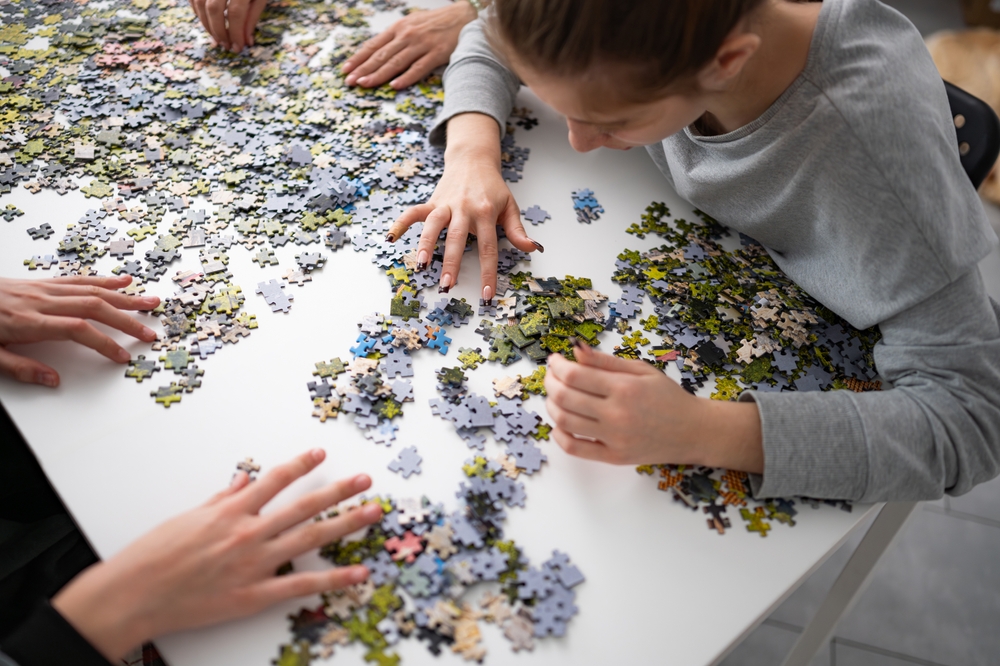
This happens because play activates the parasympathetic nervous system, the part responsible for rest and recovery. Laughter, movement, creativity, and sensory stimulation all act as natural regulators, helping your body process tension instead of storing it. Many adults try to relax by going passive (scrolling, watching TV) but play is active relaxation. It invites your body back into balance in a way that feels organic, energizing, and deeply restorative.
The Role of Play in Preventing Burnout
Burnout builds gradually, often without obvious warning signs. It’s the accumulation of long-term stress, minimal recovery, and emotional overload. Play helps break that pattern. By offering moments of genuine enjoyment and mental detachment, it restores cognitive resources that responsibilities drain.
Unlike rest that feels indulgent or unproductive, playful activities feel energizing and guilt-free, making them easier to integrate into daily life. Over time, these small resets protect against the emotional depletion that leads to burnout. Think of play as preventative maintenance: it keeps your emotional system running smoothly before the pressure builds too high.
Why Play Helps You Process Emotions More Easily
Not all emotions can be unpacked through logic or conversation. Some are better processed through expression, movement, and creativity. Play gives the mind an indirect, pressure-free way to work through feelings that may be hard to articulate. Whether it’s the rhythm of a physical activity, the focus required for a hands-on hobby, or the sensory immersion of art, play helps emotions move rather than get stuck. This can reduce irritability, anxiety, and emotional fatigue. It’s not about “solving” anything. It’s about creating space for your inner world to breathe. Over time, this makes it easier to stay balanced, responsive, and grounded, even during high-stress seasons.
The Types of Play That Work Best for Busy Adults
Creative Play
Creative play is one of the easiest ways to reintroduce joy into a busy adult life because it doesn’t require talent, structure, or a specific outcome. It’s simply the act of making something for the pleasure of the process. That might be sketching, experimenting with recipes, rearranging a room, writing a few lines in a journal, or snapping photos of everyday details that catch your eye. The activity doesn’t need to be impressive or even particularly good, it just needs to feel absorbing and expressive. Creative play frees your mind from rigid thinking, encourages exploration, and invites imagination back into the parts of life that have become overly routine or task-driven.
Physical Play
Physical play brings together movement, excitement, and spontaneity - making it a powerful antidote to stress. This can look like dancing in your kitchen, kicking a ball around, trying a new sport without worrying about skill level, or even taking a playful approach to your regular workouts. When movement shifts from “exercise” to “play,” it becomes more joyful and less pressured. Physical play also stimulates the release of endorphins, boosts energy, and interrupts anxious or repetitive thoughts. It reconnects you to your body in a way that feels freeing rather than demanding. For adults who spend most of their time seated, structured, or inside their heads, physical play offers a refreshing break that feels both grounding and invigorating.
Social Play
Social play taps into the joy of connection. Shared laughter, friendly competition, and collective creativity boost emotional well-being in ways solo activities sometimes can’t. This could mean game nights, escape rooms, group classes, team sports, or even spontaneous challenges with friends or family. The key is low pressure and high enjoyment, not performing, but participating. Social play strengthens bonds, breaks routine, and infuses relationships with lightness. It creates memories that remind you life isn’t only about responsibilities - it’s about connection too.
Sensory Play
Sensory play uses texture, color, sound, and movement to soothe and energize the nervous system. Adults often overlook how calming sensory stimulation can be, but activities like gardening, baking, painting, playing an instrument, or even working with clay offer deep relaxation. These experiences anchor you in the present moment and provide a gentle break from mental noise. Sensory play is especially helpful during stressful seasons because it comforts the body first, allowing the mind to follow.
You don’t need an empty weekend or a big burst of inspiration to start playing again, tiny moments of fun woven into your day can shift your mood in minutes. Try mixing it into existing routines, like adding music to your chores or turning your commute into a mini-adventure by exploring a new route. Or, schedule it in, just like any other crucial part of your day. Time for play needs boundaries just like any form of care.
The Long-Term Benefits of Play, & Why Treating It Like Self-Care Changes Everything
Play Raises Overall Life Satisfaction
When play becomes part of your routine, life starts to feel fuller, lighter, and more meaningful. It creates moments of joy that break up the monotony of responsibility, giving you something to look forward to that isn’t tied to productivity. Over time, these moments accumulate into a deeper sense of wellbeing. You feel more present, more connected to yourself, and more willing to explore new experiences.
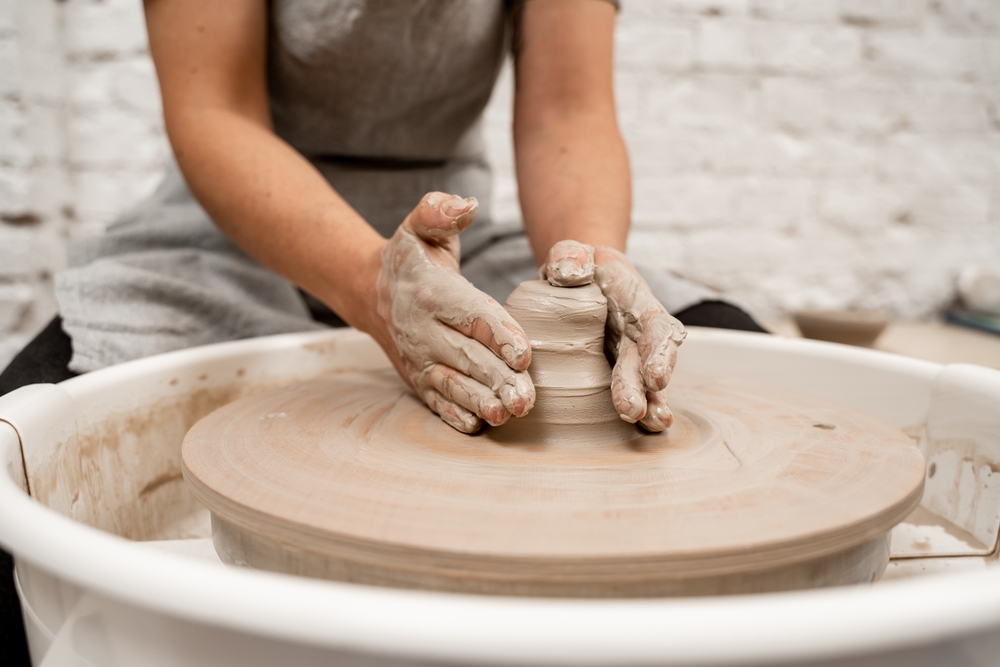
Play softens the edges of stress and brings back a sense of possibility, something many adults quietly miss. It’s not about escaping real life. It’s about creating space within it for joy, curiosity, and emotional breathing room.
Play Strengthens Relationships and Connection
When adults play together, tension drops and genuine connection becomes easier. Shared laughter, collaborative challenges, and light-hearted fun help people bond without effort.
Couples benefit from the spark play brings, families feel closer, and friendships gain new depth. Play removes the pressure to “be on,” making space for authenticity. It’s a reminder that relationships grow not only through communication, but through shared joy and shared presence.
Play Supports Better Work Performance, Without Chasing Productivity
Ironically, treating play as self-care often improves work performance, even though that’s not the goal. Play strengthens problem-solving skills, boosts creativity, and refreshes mental energy. When your brain has room to wander, you come back to tasks with more clarity and flexibility. Many workplaces now recognize that play isn’t a distraction, it’s a catalyst for more innovative thinking. You’re not trying to be more productive; you simply function better when your mind has room to breathe.
Play Helps You Build a More Flexible, Curious Mindset
Play encourages exploration without fear of failure, helping you become more adaptable, open-minded, and willing to try new things. This mindset ripples into daily life, making challenges feel less intimidating and change less overwhelming. Curiosity replaces pressure, and experimentation becomes easier. Over time, you cultivate a more resilient, growth-oriented approach to everything you do.
Play Becomes a Tool for Self-Care, Not a Reward
The biggest shift happens when you stop seeing play as something you “earn” and start seeing it as something you need. When play becomes self-care, rest stops feeling lazy, joy stops feeling optional, and fun stops being squeezed into rare pockets of free time. You begin to understand that play fuels resilience, supports your mental health, and reconnects you with the version of yourself that isn’t defined by work or responsibilities. It’s not escapism, it’s nourishment. Treating play like self-care changes the way you show up in every area of life.

Why Lightness Deserves a Place in Your Routine
When you bring play back into your life, even in small ways, everything feels a little more spacious. You think more clearly. You handle stress with more ease. You reconnect with parts of yourself that got buried under responsibility, and you rediscover joy without needing a special occasion for it. Play isn’t the opposite of productivity, it’s what makes long-term wellbeing possible. It keeps your mind flexible, your energy steady, and your emotional world alive in a way that passive rest can’t always reach.
Most adults don’t need more discipline or more efficiency. They need more moments that remind them they’re human - curious, creative, and capable of joy. Treating play like self-care isn’t indulgent; it’s essential. It’s a way of sustaining yourself in a busy, demanding world. And when you make space for play, even in the smallest doses, you create a life that feels more balanced, more fulfilling, and far more your own.