
After years of sprinting through airports, weighing hand-luggage limits, and refreshing flight-delay warnings, travelers are craving something different. They want movement that feels human again. They want travel that gives them space to breathe instead of pushing them to rush from one checkpoint to the next. And unexpectedly, train travel, once seen as an old-world choice, has stepped back into the spotlight with real confidence.
This resurgence isn’t nostalgia for nostalgia’s sake. It’s a combination of cultural burn-out, sustainability concerns, and an appetite for journeys that feel intentional rather than frantic. Modern rail travel has evolved in ways many travelers haven’t caught up with yet. Sleeper cars are being redesigned like boutique hotel suites. Scenic routes have become travel icons in their own right. Dining cars are returning with better food than ever. Even the technology behind the tracks is advancing, making long-distance and cross-country trips smoother, quieter, and more efficient.
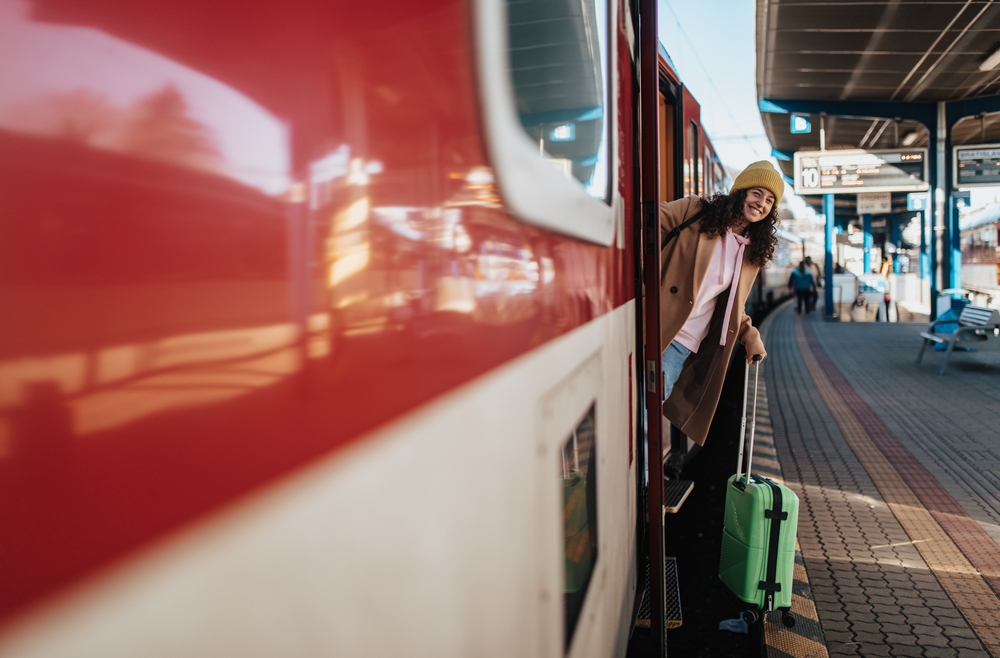
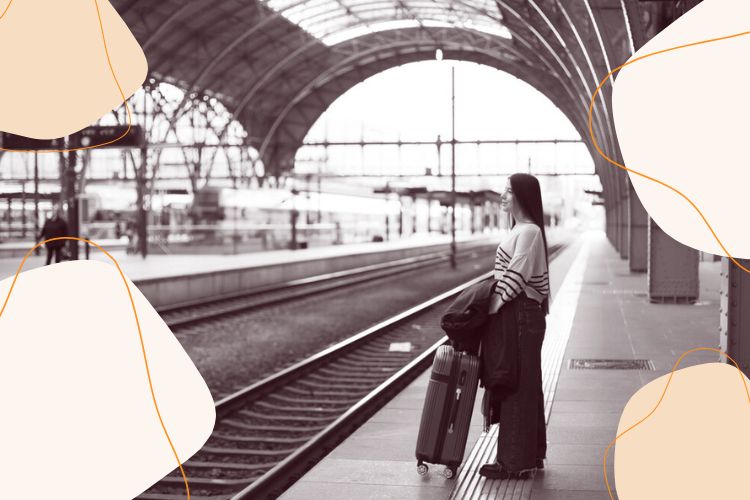
At the same time, train travel taps into something deeper — a kind of romance and rhythm that many of us have been missing. It’s the idea of letting the landscape unfold instead of flying over it. Of reclaiming the travel day as part of the adventure rather than something to “get over with.”
Welcome to the great train revival: stylish, sustainable, and surprisingly practical. Let’s explore why so many travelers are boarding again.
The New Appeal: Why Modern Travelers Are Choosing Trains Again
In the past decade, there’s been a growing desire to step away from hyper-efficiency and move toward experiences that feel grounded and present. The slow-travel movement isn’t about doing everything at half-speed. It’s about choosing depth over constant motion. Trains fit this mindset naturally — they offer the spacious, unhurried rhythm that modern travelers crave without requiring them to disconnect entirely from comfort or convenience.
Instead of rushing between terminals, you simply step onboard and settle in. The journey itself becomes part of the pleasure rather than a logistical hurdle. For many, that emotional shift is enough to make rail the preferred choice.
Comfort Over Chaos
Air travel has become more stressful, more cramped, and more unpredictable. Between security queues, baggage fees, and ever-shrinking seat space, flying often feels like a necessary inconvenience rather than something to enjoy. Trains, by contrast, give travelers room to breathe, both literally and figuratively.
Wide seats, the ability to move around, big windows, quiet carriages, and reliable timetables create an experience that feels more humane. Families appreciate the freedom. Digital nomads appreciate the stable workspace and Wi-Fi. And anyone who’s felt squeezed into a middle seat at 32,000 feet appreciates the simple luxury of stretching their legs.
A More Sustainable Way to See the World
Environmental impact is no longer an afterthought. Many travelers, especially those in their 30s and 40s, actively want travel choices that reflect their values. Rail travel offers one of the lowest carbon footprints per passenger, especially on electrified lines.
Choosing a train doesn’t mean sacrificing comfort or speed; it means opting for an experience that aligns with both lifestyle and ethics. As sustainability becomes a core part of modern decision-making, trains stand out as one of the rare options where the greener choice is also the more enjoyable one.
Together, these shifts (cultural, emotional, and environmental) are driving the rail renaissance forward.
The Renaissance of Sleeper Trains
From Basic Berths to Boutique Suites
Sleeper trains used to be functional more than anything else: simple bunks, shared compartments, and the occasional rattle that made sleep hit-or-miss. Today’s versions feel completely different. Many have been redesigned with hotel-level comfort in mind — private cabins with double beds, soft lighting, ensuite bathrooms, and thoughtful storage.
Operators across Europe and Asia have realized that travelers want something elevated, not just a way to save a night’s accommodation. The result is a new generation of sleeper cars that feel chic and modern while still capturing that gently nostalgic “train at night” atmosphere.
Why Overnight Routes Feel Luxurious Again
There’s something undeniably special about going to sleep in one city and waking up in another, without the disorientation of an airport, the dryness of recycled cabin air, or the scramble for transportation after landing. Overnight rail is reclaiming that sense of ease.
Passengers can unwind, read, share a meal in the dining car, or just watch the lights of towns slip by before closing the curtains. It’s a type of travel that encourages relaxation rather than tension, an increasingly rare feeling in today’s travel landscape. And for many, that built-in calm feels like luxury in itself.
Who’s Leading the Revival?
Europe has been the driving force behind the sleeper renaissance, with operators like Austria’s ÖBB Nightjet expanding routes across Germany, Italy, Switzerland, and France. Sweden is adding long-distance night services, and Portugal has brought back routes that had disappeared for years. In Asia, Japan’s elite sleeper experiences, such as the Seven Stars or Train Suite Shiki-Shima, showcase what ultra-luxury rail can look like.
Even in the US, where long-distance rail has struggled, sleeper cars on routes like the California Zephyr and Empire Builder remain cult favorites, and renewed interest is pushing discussions about future upgrades.
The sleeper train has officially transformed: less “budget necessity,” more “quiet, stylish adventure through the night.”
Scenic Rail Routes Becoming Travel Icons
The Bucket-List Journeys
Across the world, certain rail routes have become icons in their own right. These aren’t commuter lines or practical links between cities; they’re once-in-a-lifetime trips where the landscapes feel almost cinematic.
Think of Switzerland’s Glacier Express, a panoramic glide through snow-draped peaks and deep Alpine valleys. Or the Rocky Mountaineer in Canada, where the train curves along turquoise rivers and mountain sides that look almost too pristine to be real. These routes have become destination travel — the kind people plan holidays around, not simply a scenic add-on.
Routes Where the Views Are the Destination
Not all scenic routes are multi-day or high-luxury. Some are beautifully simple, weaving through coastlines, countryside, or historic towns in ways you just can’t replicate by air or motorway.
Vietnam’s Reunification Express stretches from Hanoi to Ho Chi Minh City, passing fishing villages, tropical cliffs, and misty rice fields. Scotland’s Caledonian Line takes riders through rugged highland terrain and remote lochs that feel untouched.
These are the kinds of trips where you spend half the time glued to the window and the other half taking photos you swear don’t do it justice.
Short Scenic Trips Worth Planning Around
For travelers short on time but hungry for something memorable, local or regional routes can be just as rewarding. Italy’s Cinque Terre local line hugs the Ligurian coast, giving you front-row views of colorful villages and Mediterranean cliffs. Japan’s Sagano Scenic Railway is a serene, one-hour journey through forests and river gorges, perfect for anyone chasing autumn colors or spring blossoms.
These shorter routes offer the charm and beauty of scenic rail without requiring a multi-day commitment. They’re easy to weave into broader travel plans and ideal for those who want to experience the romance of rail without blocking off an entire week.
In a world where people are rediscovering the joy of the journey itself, scenic railways have become modern travel classics.

A More Sustainable Way to Explore (Without Sacrificing Comfort)
Rail vs Air: The Carbon Reality
One of the biggest drivers behind the train revival is simple: trains are significantly greener than planes. On many electrified routes, rail travel produces a fraction of the emissions per passenger compared to flying. Even diesel-powered lines often outperform short-haul flights, especially when you factor in the heavy carbon cost of takeoff and landing.
For travelers who want to explore more responsibly (without turning every trip into a moral calculation) trains offer an easy win. No complicated offsets. No guilt. Just a naturally lower-impact way to move from A to B.
What Greener Travel Actually Looks Like Day-to-Day
Choosing the train doesn’t mean roughing it or compromising on the quality of the journey. In fact, for most routes, it’s the opposite. Boarding a train often means skipping the intense security lines, the weight restrictions, and the harsh time pressure of airports. You move more freely, take in the scenery, and settle into a space that feels more like a living room than a waiting room.
Sustainable travel isn’t only about carbon numbers, it’s about choosing transport that feels humane and livable. Trains strike that balance naturally. You can read, eat, work, or rest while the landscape unfolds outside the window.
Innovation in Low-Emission Rail Tech
Rail networks are also getting cleaner every year. Countries across Europe and Asia are expanding electrified lines, while new technologies like hydrogen-powered trains and battery-electric hybrids are beginning to replace older fleets.
This investment signals a future where trains aren’t just the greener choice, but one of the most technologically advanced ways to travel. As sustainability moves from trend to long-term priority, rail is positioned to become the backbone of low-impact exploration.
The result? A mode of travel that’s kinder to the planet without asking travelers to give up comfort, convenience or style.
The Return of Rail Culture: Dining Cars, Design & the Romance of the Journey
Food and Wine at 80 Miles an Hour
Once upon a time, train dining cars were an event: white tablecloths, proper meals, and the sense that you were stepping into a miniature restaurant that just happened to move. As air travel rose and rail travel declined, much of that charm faded.

Now, it’s back.
Rail operators are reviving dining cars with surprisingly high standards: seasonal menus, regional wines, and freshly prepared dishes instead of packaged trays. On long scenic routes — like the Rocky Mountaineer or Switzerland’s Glacier Express — the meal becomes part of the storytelling. Even everyday lines across Europe are bringing back café cars designed for lingering rather than rushing. Eating on a train feels like an experience again.
Nostalgic Design Made Modern
Design is a big part of the renewed excitement. Many revamped trains blend vintage cues (like brass accents, warm lighting, classic typography) with modern materials and clever space-saving layouts. Cabins feel more like boutique hotel rooms. Lounge cars feel like stylish co-working spaces.
This mix of old and new feeds directly into why trains resonate: they offer comfort, atmosphere, and that quiet feeling of stepping out of everyday life.
Why Train Travel Feels Like a Story, Not a Chore
Unlike flying, train travel invites you to settle in. You can read a book, play cards, journal, watch towns roll by, or simply daydream. The rhythm of the tracks and the soft movement of the carriage create a sense of transition, something air travel often strips away.
It’s no wonder train content is rising on TikTok and Instagram: people aren’t filming planes unless something’s going wrong, but trains? They’re inherently cinematic. They’re slow enough to enjoy but fast enough to feel purposeful. They capture the romance of getting somewhere, not just arriving.
Rail culture is having a moment because it reconnects us with the emotion of travel: the part we didn’t realize we’d been missing.
What Today’s Train Travelers Actually Want
Convenience Without Airport Stress
Today’s travelers want simple, seamless movement. Boarding a train often means walking straight to your platform, stepping onboard, and finding your seat without a 90-minute buffer or a maze of security belts. That sense of ease is a major selling point - especially for travelers who juggle tight schedules, families, or work commitments.
Train stations tend to sit in the heart of a city, not 40 minutes outside it. That alone makes rail feel more integrated with real life, cutting down the “dead” time around travel that so many people try to avoid.
Room to Breathe (and Work)
Whether you’re a remote worker, a parent, or someone who just likes stretching their legs, the space onboard trains matters. Trains naturally offer wide aisles, walkable carriages, and seats that don’t feel like a negotiation with your knees.
For digital nomads and business travelers, dependable Wi-Fi, tables, and quiet zones make it easy to work without stress. For families, the freedom to move around means less tension and fewer meltdowns. For everyone else, the chance to wander to the café car or sit by a window without feeling boxed in is a meaningful upgrade.
A Sense of Connection, Not Just Transit
What makes trains appealing today isn’t just comfort, it’s connection. The landscape unfolds in real time. You see the contours of a country, the pattern of towns, the shift from coast to countryside. That sense of grounding is something many people subconsciously crave.
Modern travelers no longer want to feel like they’re teleporting from airport to airport. They want a journey that feels like part of the trip: one they can savor, remember, and, yes, film for their friends.
Trains offer exactly that: connection, space, and a calmer way to move through the world.
Practical Planning: How to Choose & Enjoy Your First (or Next) Rail Adventure
Picking the Right Route for Your Style
Every memorable train trip starts with the right line. If you want dramatic landscapes, look to iconic scenic routes like the Glacier Express, West Highland Line, or Norway’s fjord railways. If you’re drawn to culture and food, regional routes through Italy, Japan, or Vietnam offer a slower, more immersive way to experience everyday life.
For those craving comfort above all, Europe’s growing network of sleeper trains or Japan’s ultra-luxury services deliver the “hotel-on-rails” feel. Think about what matters most: views, convenience, comfort, or cost. That priority leads you to your ideal route.
Sleeper Cabin vs Seat: What’s Worth It?
For overnight journeys, a sleeper cabin is almost always worth the upgrade if it fits your budget. Even the simplest private cabins mean you can stretch out, rest properly, and arrive feeling human. Premium sleepers add ensuite bathrooms, bigger beds, and a quieter environment, perfect for long hauls.

For daytime scenic routes, a seat (ideally with a panoramic window) is more than enough. Some lines offer “observation cars” with floor-to-ceiling glass, which can elevate even a short journey into a highlight of your trip.
How to Book Smart, Pack Light, and Maximize the Journey
Rail bookings can vary widely depending on the country. In Europe, booking early typically secures the best prices, especially for sleepers. In Asia, prices are usually more stable, but popular routes still fill up fast.
When it comes to packing, think simple: soft luggage fits better in overhead racks, layers help with temperature changes, and a small kit with snacks, water, and entertainment keeps you comfortable on longer rides.
Finally, leave space in your itinerary to enjoy the journey itself. The magic of train travel is in the small moments, the view around the next bend, the café car conversations, the feeling of being gently carried
Why Rail Travel’s Comeback Is Only Beginning
The great train revival isn’t just about scenic routes, stylish cabins, or the nostalgia of dining cars - although all of those things matter. It’s about rediscovering a way of travelling that feels purposeful, human, and surprisingly restorative. Trains remind us that travel doesn’t have to be stressful or rushed. It can be calm. It can be beautiful. It can be something you savor, not merely endure.
For modern travelers juggling busy lives, that shift is powerful. Choosing rail is choosing a journey that gives you room to breathe, to look out the window, to connect with the landscape and the moment you’re in.
In the end, that’s the real charm of the train revival: it brings the magic back to moving through the world.