
Somewhere between juggling deadlines, family schedules, and the constant hum of notifications, adults quietly rediscovered something surprisingly restorative: coloring. Not the kind you once brought on long car rides or pulled out during art class, but beautifully illustrated books designed specifically for grown-ups who need a moment of calm in a world that rarely slows down.
Adult coloring books have become more than a quirky trend. They’ve found their place on nightstands, coffee tables, and even office desks because they offer something most of us are craving – a break that doesn’t demand discipline, perfection, or a big block of time. Just simple, low-stakes creativity that gentle nudges your mind out of overdrive.

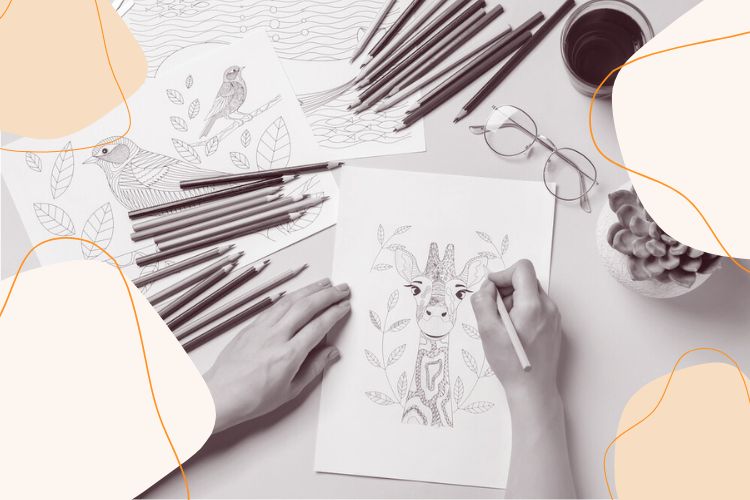
And as it turns out, there’s real science behind why coloring feels so grounding. Psychologists, neuroscientists, and therapists increasingly recognize that hands-on creative tasks can lower stress, support focus and create a kind of mental “quiet” that’s hard to access through screens or multitasking. It’s a practical form of self-care that fits neatly into the chaos of modern adulthood — no special skills required.
In a culture that often celebrates productivity over presence, adult coloring books remind us that slowing down isn’t a luxury. It’s a necessity. And sometimes the quickest way back to yourself is as simple as picking up a pencil and filling in the next blank space.
The Rise of “Low-Stakes Creativity”
Why We’re Craving Simple, Hands-On Hobbies Again
Over the past decade, something subtle but meaningful has shifted in how adults manage stress. After years of hustle culture, back-to-back commitments, and an always-on digital world, people are reaching for hobbies that feel grounding rather than demanding. That’s where low-stakes creativity comes in - simple, approachable activities that don’t require talent, pressure, or measurable progress.
Coloring books sit in the same family as journaling, doodling, pottery, and puzzles. They’re part of a broader return to hobbies that allow you to focus on something gentle and tactile instead of chasing productivity. For adults trying to juggle work, finances, family responsibilities, and personal goals, the appeal is obvious: these activities offer structure without stress, and pleasure without performance.
It also helps that simplicity feels refreshing. Many of us spend our days making decisions, managing expectations, solving problems, and navigating technology. Coloring gives your mind a break from all that. There’s no right or wrong result, no deadlines, no audience - just you, a page, and a handful of colors.
The Appeal of Color-Inside-the-Lines Creativity
Part of the magic of adult coloring books is how familiar they feel. There’s a sense of nostalgia in holding a pencil and watching a page come to life, but it’s wrapped in a grown-up package that makes the experience feel intentional rather than childish. The designs are more sophisticated, the themes often soothing, and the act itself taps into something deeply comforting: predictable structure.
This “color-inside-the-lines” format is especially appealing to adults who are worn out by open-ended tasks or creative pressure. You don’t have to brainstorm or invent anything. The outline is already there, waiting for your interpretation. It gives you creative agency without the fear of a blank page, a relief for anyone who’s ever felt intimidated by traditional art.
And because the barrier to entry is so low, coloring becomes a stress-relief tool you can pick up anytime. Five minutes between meetings, a quiet moment before bed, or a mid-afternoon reset. In a world where wellness trends often require time, money, or commitment, coloring stands out as accessible, affordable, and wonderfully low-effort — exactly the kind of creative break modern adults are craving.
The Psychology Behind Coloring and Calm
How Creativity Helps Regulate Stress
When we think about stress management, creativity isn’t always the first tool that comes to mind, but psychologically, it makes perfect sense. Creative activities engage parts of the brain linked to pleasure, focus, and emotional regulation. When you color, your mind shifts from high-alert thinking (the same state triggered by deadlines, worries, and constant multitasking) into a quieter, more present mode.
This shift is part of what psychologists refer to as “attentional restoration.” By giving your mind a single, gentle point of focus, you reduce the cognitive load that comes from holding dozens of thoughts at once. Instead of scanning for the next task or mentally rearranging your to-do list, you’re making small decisions: Which color feels right? Which section will I do next? These micro-choices are calming because they’re simple and contained.
Coloring also taps into the same mechanisms used in art therapy. While it’s not a replacement for clinical treatment, it shares core principles: sensory engagement, emotional reflection, and a safe channel for expression. The repetitive motions, the visual rhythm, and the quiet concentration all help regulate your nervous system, especially when stress feels overwhelming or scattered.
Why Coloring Works Even If You’re Not an Artist
One of the biggest psychological advantages of coloring is that it removes the pressure of “being creative.” Many adults feel intimidated by traditional art because it comes with expectations — originality, skill, and the fear of not being “good enough.” Coloring sidesteps all of that by offering creativity with training wheels.
With the lines already drawn, your role becomes interpretation rather than invention. That’s precisely what makes the activity feel so calming: it eliminates performance anxiety. You still get the mental benefits of creative engagement, but without any of the stress that often comes with it.
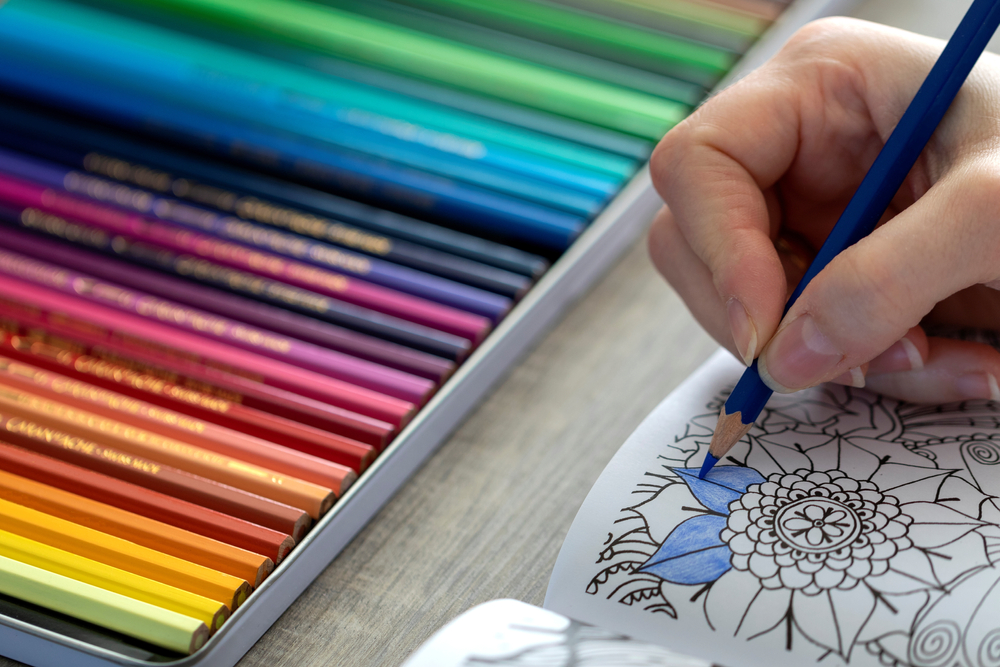
There’s also something soothing about the sensory experience itself. The sound of a pencil on paper, the feeling of soft repetition, the visual satisfaction of watching color fill a space - it all contributes to grounding your thoughts. For many adults, this tactile experience helps interrupt spirals of worry or overthinking.
In short, you don’t need to be artistic to benefit from coloring. You just need a few minutes and the willingness to slow down. The brain does the rest, gently steering you toward calm through simple, structured creativity.
What the Science Actually Says
Research on Coloring & Anxiety Reduction
For something so simple, coloring has attracted surprising scientific interest, and the findings consistently point in the same direction. Multiple small but meaningful studies have shown that structured coloring activities can reduce anxiety, slow heart rate, and help quiet intrusive thoughts.
One of the most referenced areas of research looks at mandalas and geometric patterns. These designs tend to produce the strongest calming effect because their symmetry naturally encourages rhythmic, focused movement. When participants color a repetitive pattern, their breathing often slows, their attention narrows, and their stress response begins to settle.
Other studies highlight that even a short session (sometimes as little as 10 minutes) can produce measurable emotional relief. While researchers note that your experience depends on your stress levels, environment, and personal preference, the underlying takeaway is clear: coloring reliably nudges the mind toward a calmer state.
Coloring vs. Meditation: Surprisingly Similar
You might not think of coloring as a mindfulness practice, but neurologically, the overlap is unmistakable. Both activities ask your brain to anchor itself in the present moment. Both reduce mental “background noise.” And both guide you away from rumination, that spiral of thoughts that fuels anxiety and emotional fatigue.
For people who struggle with traditional meditation (especially those who find sitting still with their thoughts stressful), coloring becomes a more accessible alternative. Psychologists call this “active mindfulness.” Your hands are busy. Your mind is engaged. But the activity is simple enough that there’s still space for mental rest.
In a way, coloring becomes a bridge, offering the grounding benefits of meditation without the pressure to clear your mind or maintain perfect stillness.
But Also: What Coloring Can’t Do
Even with all its benefits, coloring isn’t a cure-all. It’s a tool, not a treatment. While it can help lower stress, regulate your mood, or support relaxation, it won’t resolve deep-rooted anxiety, depression, burnout, or trauma on its own.
What it does exceptionally well is create moments of mental ease — small pauses that help you reset and cope. For most adults navigating stressful schedules and emotional load, those moments matter more than we often realize. Coloring becomes a steady, accessible way to support mental well-being while complementing other healthy habits or professional care when it’s needed.
A Closer Look at “Flow State”
Why Losing Yourself in a Page Feels So Good
If you’ve ever looked up from a coloring page and realized twenty minutes disappeared without you noticing, you’ve experienced flow — that deeply focused, quietly joyful state where time softens and your mind settles. Psychologist Mihaly Csikszentmihalyi first described flow as a state of complete absorption in a task, where your attention is so engaged that stress and distraction fall away.
For many adults, flow feels rare. Our days are full of interruptions, multitasking, and mental clutter. Coloring cuts through that noise because it naturally invites the conditions needed for flow: clear structure, a manageable challenge, and immediate feedback (you see your progress unfold with every stroke).
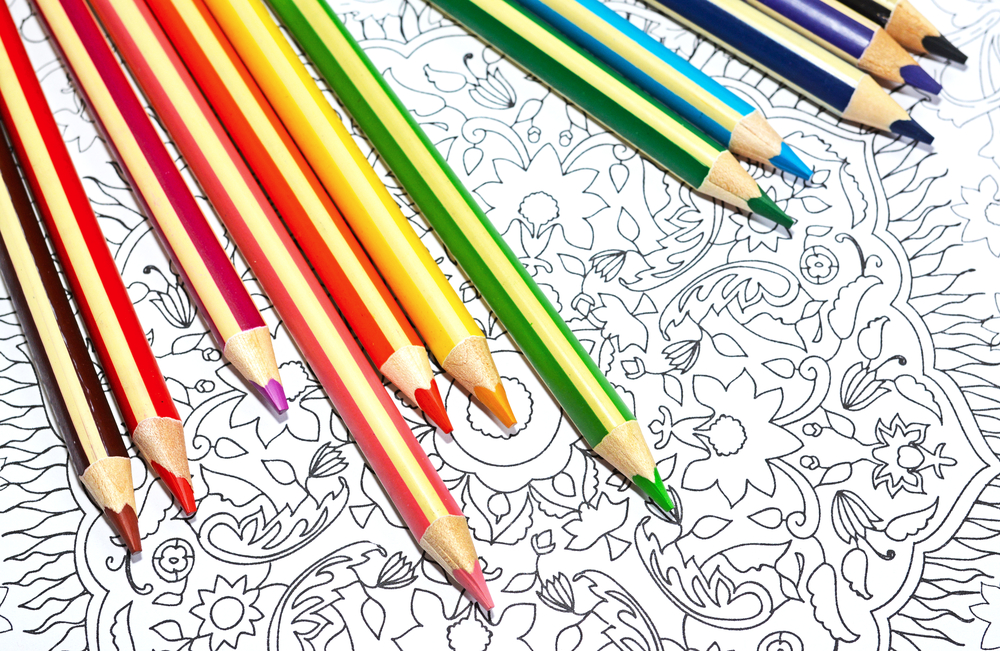
What makes coloring especially effective is its predictability. You’re not creating something from scratch, so your brain doesn’t have to weigh options or solve problems. Instead, it can slide into a steady rhythm — the kind of mental pacing that feels soothing rather than demanding. That’s exactly why those few minutes with a page can feel more restorative than an hour of passive scrolling or half-watching TV.
The Mental Health Benefits of Flow Activities
Flow isn’t just pleasant, it’s neurologically beneficial. When your brain enters this state, it quiets areas linked to self-doubt, worry, and rumination. You temporarily step out of the mental loops that often fuel stress, giving your mind a brief but meaningful break.
Coloring offers an easy pathway into flow because it meets people where they are, emotionally and cognitively. You don’t need to “warm up” or commit to a long session. The combination of focus, repetition, and sensory feedback helps your nervous system shift toward calm, even if only for a short period.
And the benefits linger. Flow activities often leave you feeling lighter, more present, and more capable of returning to the demands of the day. For adults navigating career pressure, family responsibilities, or the constant mental load of modern life, that reset is invaluable.
In small but consistent doses, coloring becomes more than a hobby. It acts as a mental reset button, a way to reclaim clarity, regulate stress, and reconnect with yourself through simple, steady focus.
Why Hands-On Tasks Are Powerful in a Digital World
The Brain Craves Tactile Breaks
Modern life is dominated by screens (phones, laptops, tablets, TVs) all of which demand rapid processing, quick decision-making, and constant attention shifts. Even when we’re relaxing online, the experience is mentally stimulating: bright colors, endless scrolling, notifications that pull us in and out of focus. Over time, this overstimulation leaves the brain fatigued, making it harder to concentrate, unwind, or feel mentally “clear.”
That’s why hands-on activities like coloring feel so restorative. They give your brain a different type of sensory input that’s slower, steadier, rooted in physical touch. When you pick up a pencil and color a small section of a page, your mind shifts into a more grounded state. There’s movement, texture, gentle sound, and visible progress. It’s a welcome contrast to the fast, fragmented digital environments we’re in all day.
Neurologically, these tactile tasks help rebalance your attention system. Instead of juggling dozens of competing stimuli, your brain focuses on one predictable action. That simplicity is soothing. It helps reduce mental clutter and interrupts the overstimulation cycle that often leads to irritability, stress, and burnout.
Coloring as a Practical Digital Detox
The idea of a “digital detox” can feel unrealistic for busy adults who rely on technology for work, communication, and everyday logistics. Coloring offers a more achievable version - a micro-detox that doesn’t require unplugging your life. Even five to ten minutes away from your phone can give your mind the pause it desperately needs.
Coloring works especially well because it’s naturally incompatible with multitasking. You’re not checking notifications or scrolling while you fill in a page. Your hands are occupied. Your eyes are engaged. The activity gently forces you into a single-task state, something incredibly rare in a digital world.
These small offline pockets add up. Regularly giving your brain even short breaks from screens can improve focus, ease irritability, and help restore emotional balance. Many adults find that a brief coloring session after work helps them transition out of “work mode,” or that a quick page before bed quiets the mental chatter that makes falling asleep harder.
In a culture where we’re constantly overstimulated, coloring becomes a simple way to reclaim a bit of mental space - a small, analog ritual that helps you reset and return to your digital life feeling clearer and calmer.
The Surprising Benefits You Don’t Expect
Better Sleep Through Calming Evening Routines
Evening routines matter more than we realize. The brain needs a gradual wind-down to transition into sleep, but most adults unintentionally stimulate their minds right up until bedtime: answering messages, scrolling, or watching bright screens. Coloring offers a gentle, effective alternative.
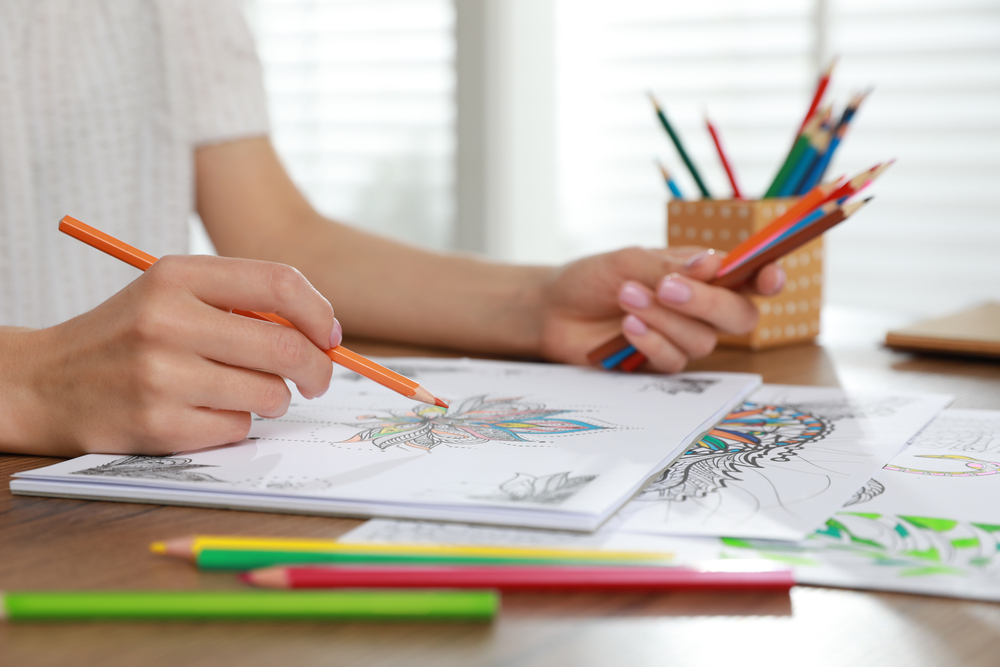
The repetitive movements and low-pressure focus naturally slow your breathing and ease your nervous system toward a restful state. It’s not uncommon for people to notice that even a few minutes of coloring before bed helps them fall asleep faster because it acts as a buffer between the mental busyness of the day and the quiet needed for sleep.
The best part: there’s no need for perfection. A partially filled page is often more calming than completing an entire one.
Supporting Emotional Expression
Coloring isn’t just about filling shapes — it’s a subtle way to express your emotional landscape. Many adults struggle to articulate how they feel, especially when stress, frustration, or anxiety build up. Color choices can become a quiet form of emotional translation. Some days you reach for bold colors; other days, soft neutrals feel more comforting.
This kind of intuitive expression removes pressure to “perform” creatively while still giving your feelings a safe place to land. It also offers a chance to notice patterns: how your color choices shift with your mood, and how your mind and body respond to the process.
Boosting Focus and Cognitive Flexibility
Coloring may be a simple activity, but it subtly strengthens your brain’s ability to focus. When you concentrate on small sections, make micro-decisions, and stick with a task until you see visual progress, you’re practicing sustained attention, something many of us struggle with in a world of constant distraction.
There’s also a cognitive benefit in switching between colors, lines, and shapes. These tiny shifts challenge your brain just enough to keep it engaged without overwhelming you. Over time, this can support mental clarity, improve problem-solving, and enhance overall cognitive flexibility.
In short, the benefits reach far beyond stress relief. Coloring nourishes parts of your emotional and cognitive life that often get neglected in the rush of adulthood — offering small but meaningful boosts to mood, focus, and overall well-being.
How to Get Started Without Overthinking It
Choosing the Right Book for You
You don’t need to be artistic to enjoy coloring, but choosing a book you genuinely like makes the experience feel even more calming. Mandalas are great if you enjoy symmetry and rhythm. Nature scenes tend to be soothing and familiar. Abstract patterns work well when you want a more free-flowing, interpretive experience. The goal isn’t to pick the “right” book, but the one that feels inviting when you look at the pages.
Tools That Make Coloring More Enjoyable
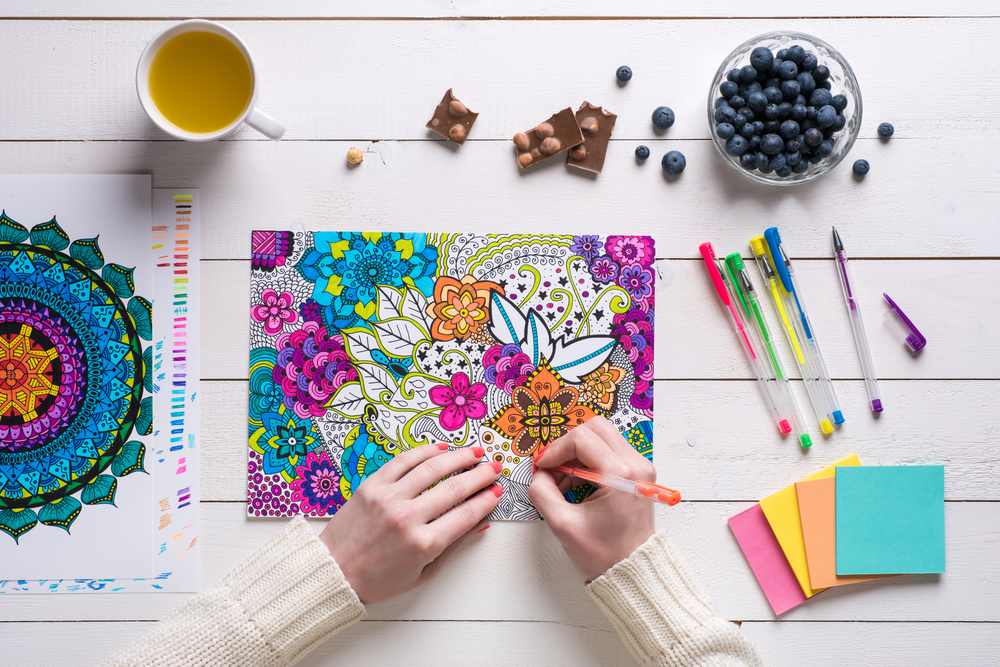
A few simple tools can elevate the experience. Soft pencils, fine-tip markers, or gel pens all offer different sensations, some smooth, some precise, some bold. Many adults enjoy keeping a small kit in a drawer or bag so coloring becomes something they can pick up in quiet moments rather than a planned ritual.
Making It Part of Your Routine
The beauty of coloring is its flexibility. You can use it as a morning reset, a quick mental break between tasks, or an evening wind-down. Even five minutes makes a difference. Pairing it with a calming cue helps your brain recognize it as a moment of rest. Try doing it with a cup of tea, soft music, or a scented candle each time.
Beyond Coloring: Other Low-Stakes Creative Habits That Work
Coloring is just one entry point into the world of gentle, restorative creativity. Paint-by-numbers, collage, doodling, adult sticker books, knitting, or even simple journaling offer similar benefits. What these activities share is a sense of playful focus — creativity without pressure.
For adults carrying heavy mental loads, these low-stakes hobbies provide the same sense of grounding and emotional clarity that makes coloring so effective. They encourage presence, reduce stress, and give you small, joyful moments of expression.
In a world that demands so much from your time and attention, these tiny creative rituals serve as practical, sustainable tools for emotional well-being - helping you reconnect with yourself one simple, enjoyable moment at a time.
The Quiet Shift Toward More Mindful Moments
Adult coloring books may be simple, but their impact is real. In the middle of busy schedules, digital overload, and constant demands, coloring offers a rare kind of pause: a moment where your mind can settle, your breathing slows, and the world feels a little lighter.
It’s accessible, low-pressure, and easy to weave into everyday life. No perfection, no performance, just a few quiet minutes of focus and color. When stress builds, sometimes the most effective reset is the simplest one: pick up a pencil, follow the lines, and let the calm unfold.