
How often do you think about the air you breathe inside your home? For many people juggling full schedules, wellness goals, and family needs, indoor air quality doesn’t get attention until symptoms like allergies, fatigue, or headaches start creeping in. Yet small changes in your home’s air environment can have a meaningful impact on how you feel each day. Smart air quality devices make it easier than ever to understand what’s happening in your space and take action without adding work to your routine.
Smart sensors and purifiers have evolved rapidly, moving from niche gadgets to essential home tech. They offer real-time information, automated adjustments, and app-based control that fits naturally into a modern lifestyle. Instead of guessing whether your home needs better filtration or ventilation, these devices give you data-backed clarity and take much of the effort off your plate. The result is cleaner air that supports your health, improves energy levels, and creates a more comfortable living environment.
Why Air Quality Monitoring Matters
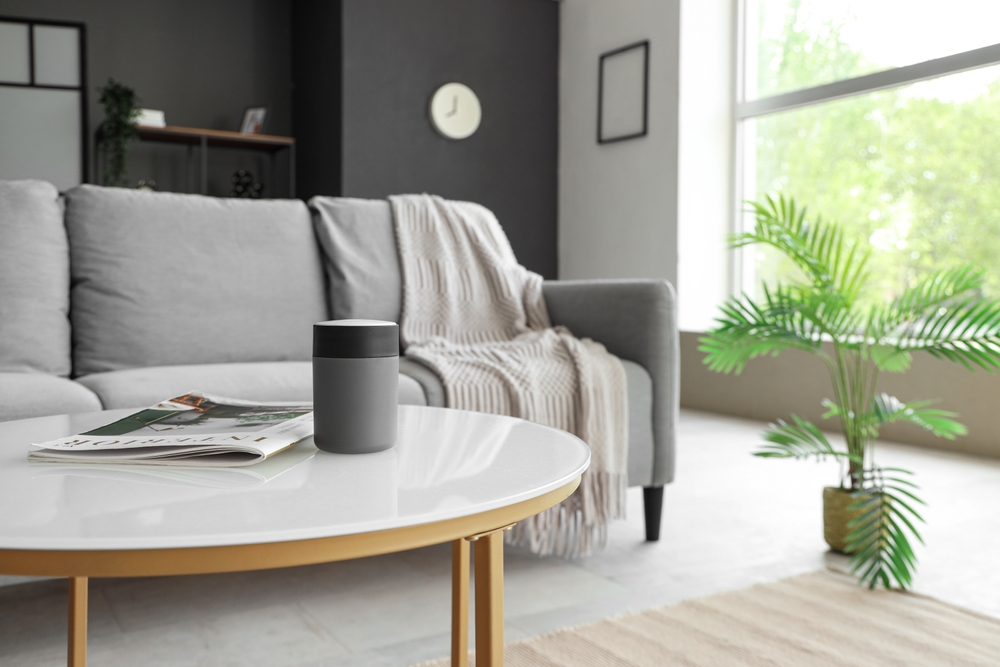
Indoor air can be more polluted than outdoor air, especially in tightly sealed homes. Cooking, cleaning products, candles, and even furniture can release particles and chemicals that quietly reduce overall air quality. While you may not notice these changes immediately, your body often does.
Air quality sensors help identify patterns and triggers, giving you insight into what affects the air you breathe. Whether you’re managing allergies, trying to minimize irritants for kids, or simply aiming for a healthier home, monitoring gives you the awareness needed to make intentional adjustments.
Features That Make Smart Sensors Worth It
Modern sensors go beyond simple readings. They offer layered insights and work in tandem with other devices to create a healthier home ecosystem.
- Real-time tracking of particulates such as PM2.5, including smoke and fine dust
- Detection of volatile organic compounds from cleaning products and household items
- Automatic notifications when air quality dips
- Integration with smart home systems for hands-free control
- Historical data trends that reveal hidden problem areas
- Temperature and humidity readings that help maintain balanced indoor comfort
These features make it possible to catch issues early—like spikes during cooking or unusual humidity changes—and respond before they affect your comfort or health.
What Smart Purifiers Add to the Equation
While sensors provide the information, purifiers solve the problem. Smart air purifiers automatically adjust their settings based on what your sensors detect, allowing for a seamless experience that requires little attention from you.
The most effective purifiers use multiple layers of filtration. HEPA filters capture particles you can’t see, and activated carbon helps reduce odors and chemical pollutants. Many newer purifiers also offer quiet modes so they can run during sleep, work sessions, or family time without disrupting your space.
Key Advantages
- Auto-adjusting fan speeds based on pollution levels
- Multi-stage filtration that targets specific types of contaminants
- Smartphone control when you’re away from home
- Schedule settings that match your daily routines
- Energy-efficient modes that reduce utility impact
- Pollen and allergy tracking for seasonal shifts
Together, sensors and purifiers create a loop: one detects problems, and the other fixes them. This pairing ensures your air quality stays consistently healthier without requiring constant input.
Choosing Devices That Fit Your Lifestyle
With so many smart air devices available, it helps to focus on features that align with your household’s needs.
Start by considering room size. A purifier that’s too small won’t keep up with demand, while an oversized unit may use unnecessary energy. Quietness also matters—especially if you plan to keep a purifier in a bedroom or office. Models with whisper or night modes offer cleaner air without disrupting rest or concentration.
Connectivity is another factor. Some devices work best within certain smart home ecosystems, so choosing compatible products keeps everything running smoothly. Many sensors and purifiers also offer multi-room support, ideal for families moving between spaces throughout the day.
If budget is a consideration, prioritize filtration quality and automatic monitoring. These two elements make the biggest practical difference and won’t require costly upgrades later. You can always expand with additional sensors or app integrations over time.
Unexpected Benefits You Might Notice
Cleaner indoor air supports long-term health, but it also delivers a range of everyday perks that make your home feel better almost immediately.
- Improved focus and productivity when fewer irritants circulate
- More comfortable sleep due to reduced allergens and stabilized humidity
- Less lingering odor from cooking or pets
- Fewer seasonal allergy flare-ups
- A fresher feeling in high-traffic rooms or shared spaces
For households with kids, pets, or sensitive respiratory systems, these benefits become even more meaningful. Smart air tools offer peace of mind, especially when managing multiple priorities and limited downtime.
Building a Smarter, Healthier Home Environment
You don’t need to overhaul your house to see a noticeable difference in air quality. Even one sensor and a well-designed purifier can transform how your home feels. The goal isn’t perfection—it’s creating a space that supports your well-being with less effort and more clarity.
Where Wellness Meets Everyday Living
Smart air quality tools offer a simple but powerful upgrade to daily life. They give you the information you need and quietly take care of the rest, helping your home feel fresher, calmer, and more supportive of your health. When the air around you improves, so does the energy you bring into everything else you do.