
Have you ever wondered if it’s possible to refresh your skin without taking a week off from work or family responsibilities? Many people in their mid-30s to early 40s want solutions that deliver visible results without derailing their routines. Laser skin resurfacing is no longer a one-size-fits-all treatment with extended downtime. Today, there are flexible, efficient options that help improve tone, texture, and clarity while fitting easily into a packed schedule.
Laser technology has evolved to offer faster recovery, customizable settings, and targeted treatment plans designed for people who don’t have the luxury of pausing their lives. Whether you’re dealing with early signs of aging, sun damage, uneven texture, or acne scars, there’s likely a resurfacing option that can meet your needs without overwhelming your calendar.
Understanding Your Laser Options
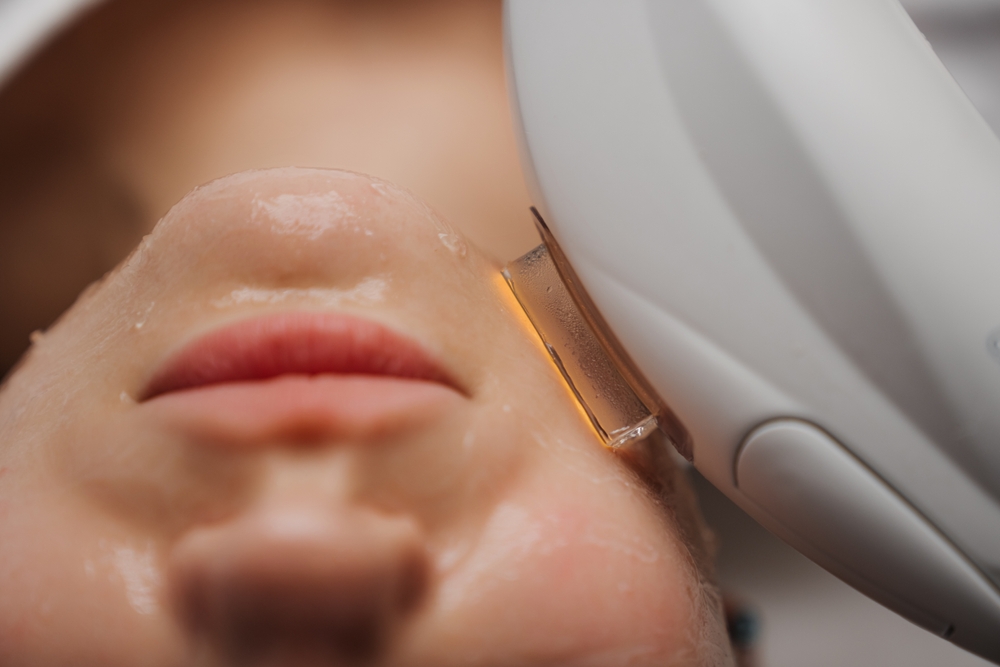
Laser skin resurfacing generally falls into two categories: ablative and non-ablative. Ablative lasers remove the top layer of skin to stimulate deeper renewal, while non-ablative lasers heat the underlying tissue without removing surface layers. Non-ablative treatments tend to require less downtime, though ablative options can offer more dramatic results with fewer sessions.
For a busy lifestyle, the key is balancing effectiveness with recovery time. Many providers now offer fractional technology, which treats only a portion of the skin at a time. This approach maintains strong results while allowing for faster healing.
Non-Ablative Fractional Lasers: Minimal Downtime, Steady Improvements
If you’re looking for visible improvements with little interruption to your routine, non-ablative fractional lasers are a strong fit. These treatments work by gently heating the deeper layers of your skin to boost collagen production.
Common Options
- Fraxel Dual (non-ablative mode)
- Clear + Brilliant
- ResurFX
- Excel V or similar vascular lasers for redness
These treatments usually involve mild redness and swelling that fade within a day or two. Some people even return to work the same afternoon, depending on their comfort level. Non-ablative fractional lasers are ideal for early signs of aging, mild sun damage, fine lines, and maintaining overall skin health between more intensive procedures.
Ablative Fractional Lasers: Bigger Results With Thoughtful Planning
Ablative fractional lasers, such as CO2 or Er:YAG, resurface skin more aggressively but still offer faster recovery than traditional full-field ablative lasers. Because they treat microscopic columns of skin rather than the entire surface, the healing process is much more manageable.
They may be a good choice if you want to address a few things.
- Deeper wrinkles
- More noticeable texture changes
- Acne scarring
- More stubborn sun damage
While downtime is greater than with non-ablative options, most people resume regular activities in five to seven days. For many, scheduling one of these sessions during a slower week or long weekend provides an efficient path to more dramatic results.
Lunchtime Lasers: Quick Sessions for Subtle Refinement
Not every resurfacing treatment requires a full appointment window. Some lasers are known as “lunchtime” procedures because you can be in and out in under an hour with minimal aftercare.
These typically include:
- Pico lasers for pigmentation
- Light settings of Clear + Brilliant
- Low-energy vascular lasers
These options are ideal if you want a brighter complexion, reduced pigmentation, or a more even tone without visible peeling or downtime. Many people schedule them every four to six weeks as part of their ongoing skin-care maintenance.
Combining Treatments for Maximum Efficiency
One advantage of modern skincare technology is the ability to combine different modalities into a single session. This can shorten your overall treatment timeline while targeting multiple concerns at once.
You might see providers offering combinations.
- Non-ablative laser + microneedling
- Light resurfacing + pigmentation removal
- Laser rejuvenation + radiofrequency tightening
Combination sessions aren't necessarily time-saving during the appointment itself, but they often allow you to consolidate healing into one recovery window rather than several.
What to Expect for Scheduling and Recovery
Choosing laser resurfacing means understanding how it fits into your week-to-week flow. Recovery varies by treatment type, but most options are surprisingly manageable.
Here’s what typically helps busy people prepare.
- Plan for mild redness, like a sunburn, after non-ablative laser treatments for one to three days.
- Avoid scheduling immediately before an important presentation or event.
- Wear sunscreen consistently to protect healing skin.
- Follow post-treatment skincare instructions to avoid irritation.
- Communicate your time constraints openly with your provider so they can recommend appropriate laser settings.
Even with ablative fractional treatments, the most noticeable recovery usually happens within the first four to five days, and makeup can often be applied once the skin begins healing.
Making the Most of Your Treatment
Laser resurfacing works best when it’s part of a broader skin strategy rather than a one-time fix.
- Daily sunscreen use to prevent new pigmentation.
- A hydration-focused skincare routine to maintain barrier health.
- Antioxidant serums to help protect against environmental stress.
- Periodic touch-up sessions to maintain collagen production.
Consistent habits enhance your results and may reduce the need for more aggressive treatments later on.
A Smarter Way to Refresh Your Skin
Laser skin resurfacing doesn’t have to be a major disruption to your life. Between non-ablative lasers, fractional technologies, lunchtime treatments, and customizable settings, there are now options for nearly every schedule and concern. With thoughtful planning, you can achieve smoother, brighter, more refined skin without stepping away from your responsibilities.
Moving Forward With Confidence
Embracing laser resurfacing is about enhancing how you feel in your daily life, not fitting into unrealistic pressure for perfection. When you choose options that align with your routine, you’re investing in results that support you month after month.